


How to Create a Component Custom Field - Tip84
OBJECTIVE or GOAL
Welcome back to Get Empowered! In the last Empower tip-of-the-week post for Empower CDS Software, we learned how to create a Custom Sample Set Field. (Tip #83)
Creating Custom Fields in Empower:
This week, we will learn how to create a Component Custom Field (Part 3).
A Component Custom Field is a real number that is related to a component(s). These values are typically used in subsequent Peak Custom Fields (calculations), which we will cover in a future tip. The perfect example is a common one – Label Claim. (We will use this value in a future peak field to calculate percent of Label Claim.)
Let’s get started.
ENVIRONMENT
- Empower
PROCEDURE
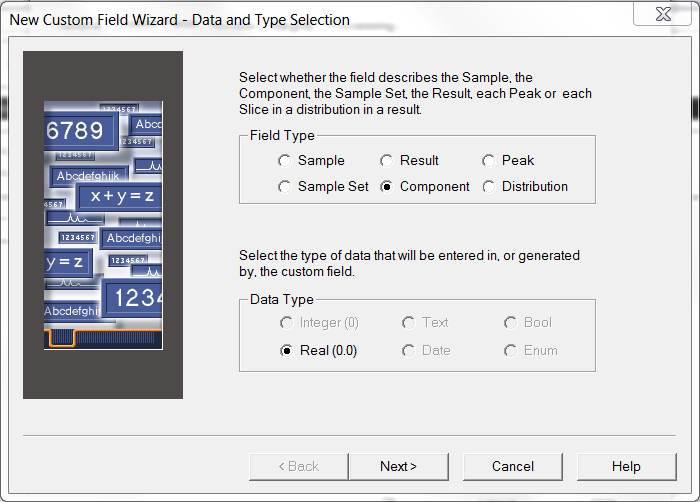
- Launch the new Custom Field wizard. On the Data and Type Selection screen select Component and the data type defaults to Real.
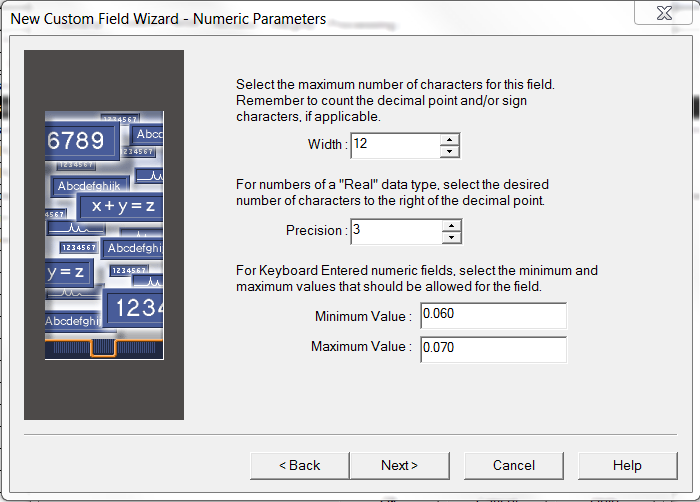
- On the Numeric Parameters screen, in addition to width and precision, we have the ability to enter a minimum and maximum value for this field. This would prevent someone from entering a value outside of the accepted range.
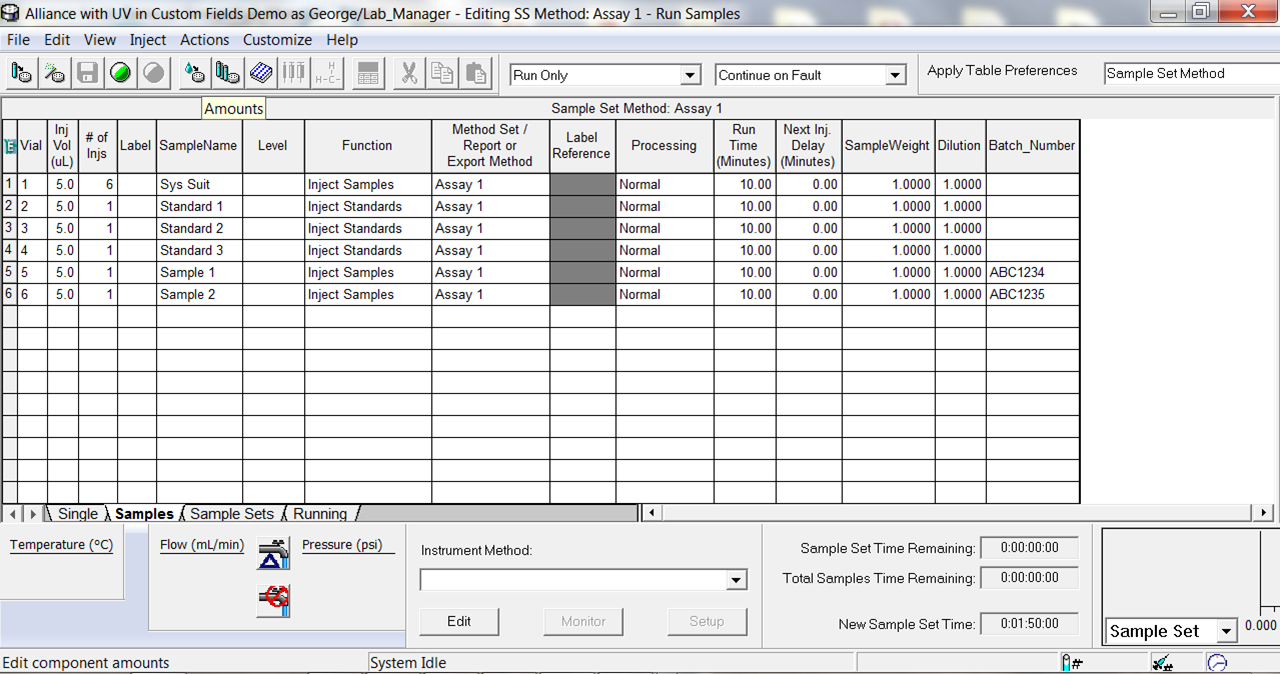
- Where are these values entered? After loading a Sample Set method in Run Samples click the Amount tool.
- Once the Component Editor opens, you will see a tab for the Component Field we created.
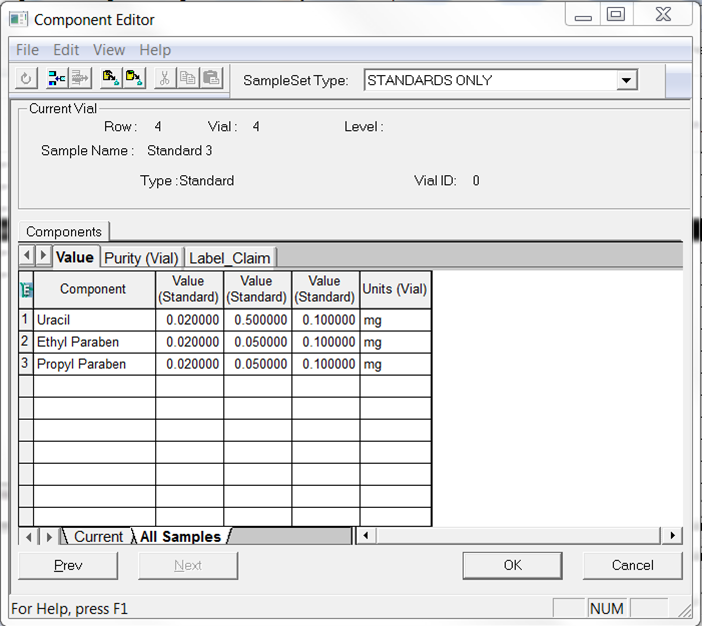
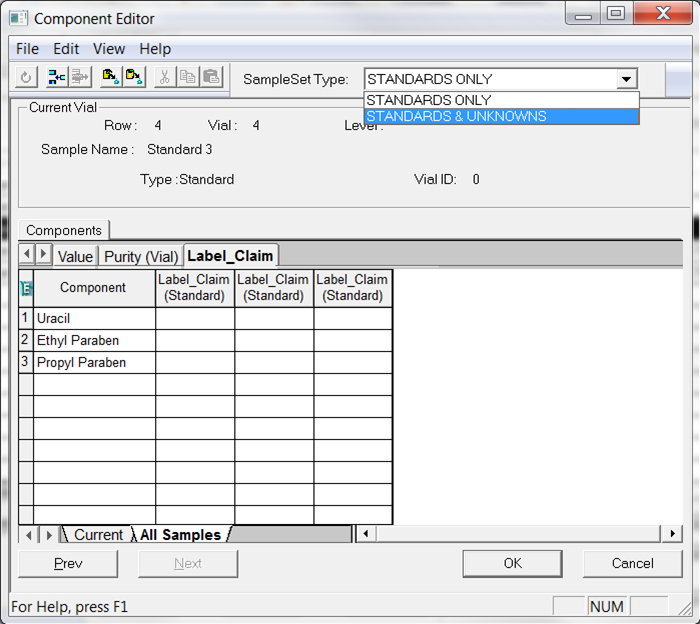
- Click on the tab for Label Claim. In order to enter the Label Claim for the samples, click the SampleSet Type drop-down list and select Standards & Unknowns.
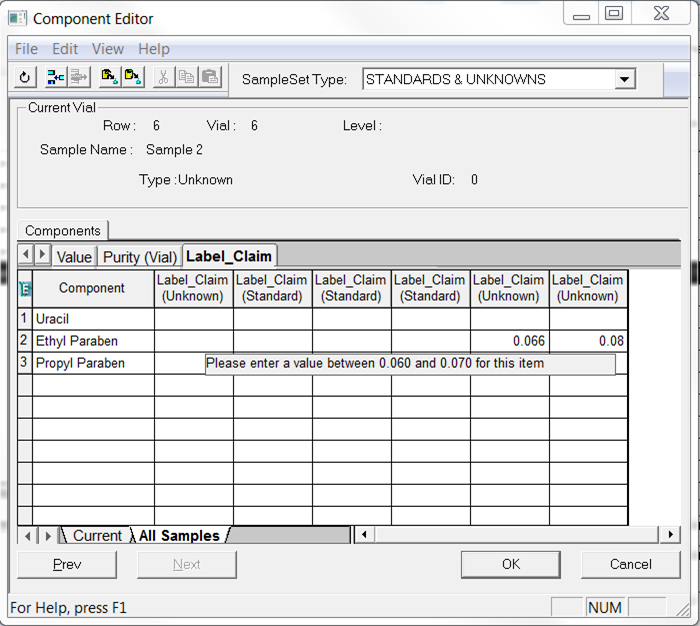
- Enter the Label Claim value for the component(s). If you enter a value outside of the range specified when we created the Custom Field, a message is displayed reminding you of the acceptable range.
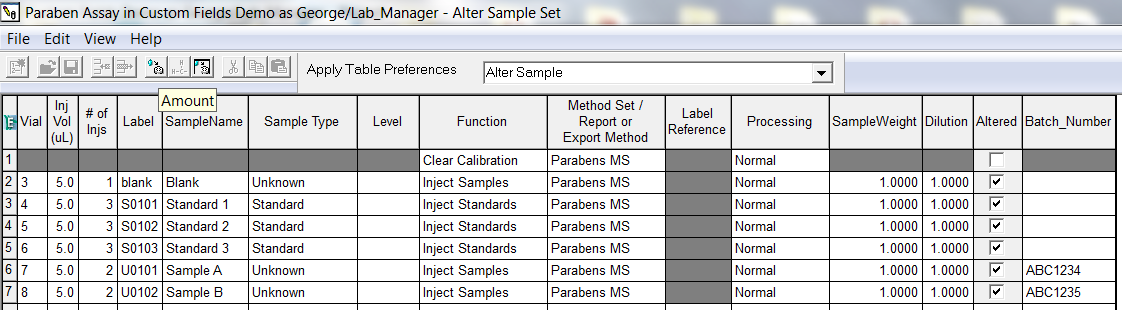
- We can enter the information post run in the Alter Sample window by clicking the Amount tool.
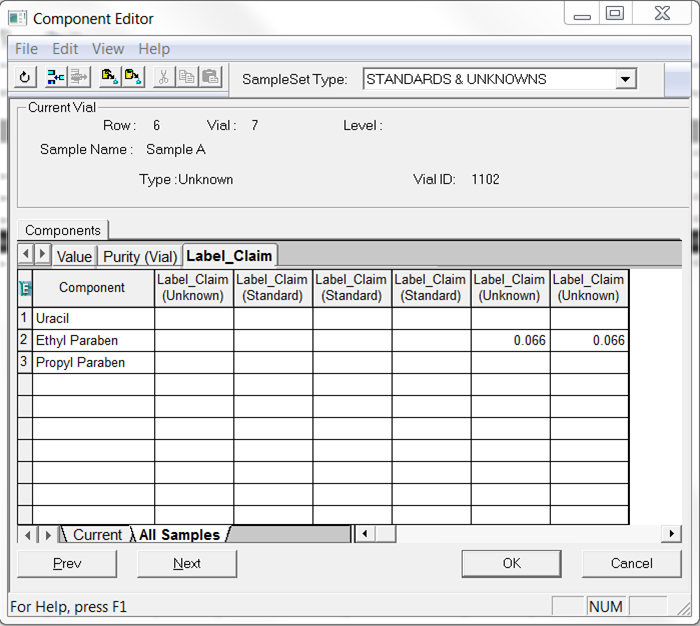
- Click the Label_Claim tab, change the SampleSet Type to Standards & Samples and then enter the Label Claim value for the component(s).
It’s that easy!
ADDITIONAL INFORMATION
- You can report these values by adding the Component Amounts Group to the report method.
- This procedure can be followed using the QuickStart or Pro interface. When using the QuickStart interface and in the Sample Queue, click the Components tool to access the Component Editor.
id69103, EMP2LIC, EMP2OPT, EMP2SW, EMP3GC, EMP3LIC, EMP3OPT, EMP3SW, EMPGC, EMPGPC, EMPLIC, EMPOWER2, EMPOWER3, EMPSW, SUP